
Clinical & Sports Massage in London N16 for Pain, Stress & Recovery
Ache. Stress. Repeat?
We help break the cycle through evidence-informed clinical massage, tailored to your body and your goals.

We’ve helped hundreds of clients get out of pain, move better and feel better in their bodies over the years.
What We Do
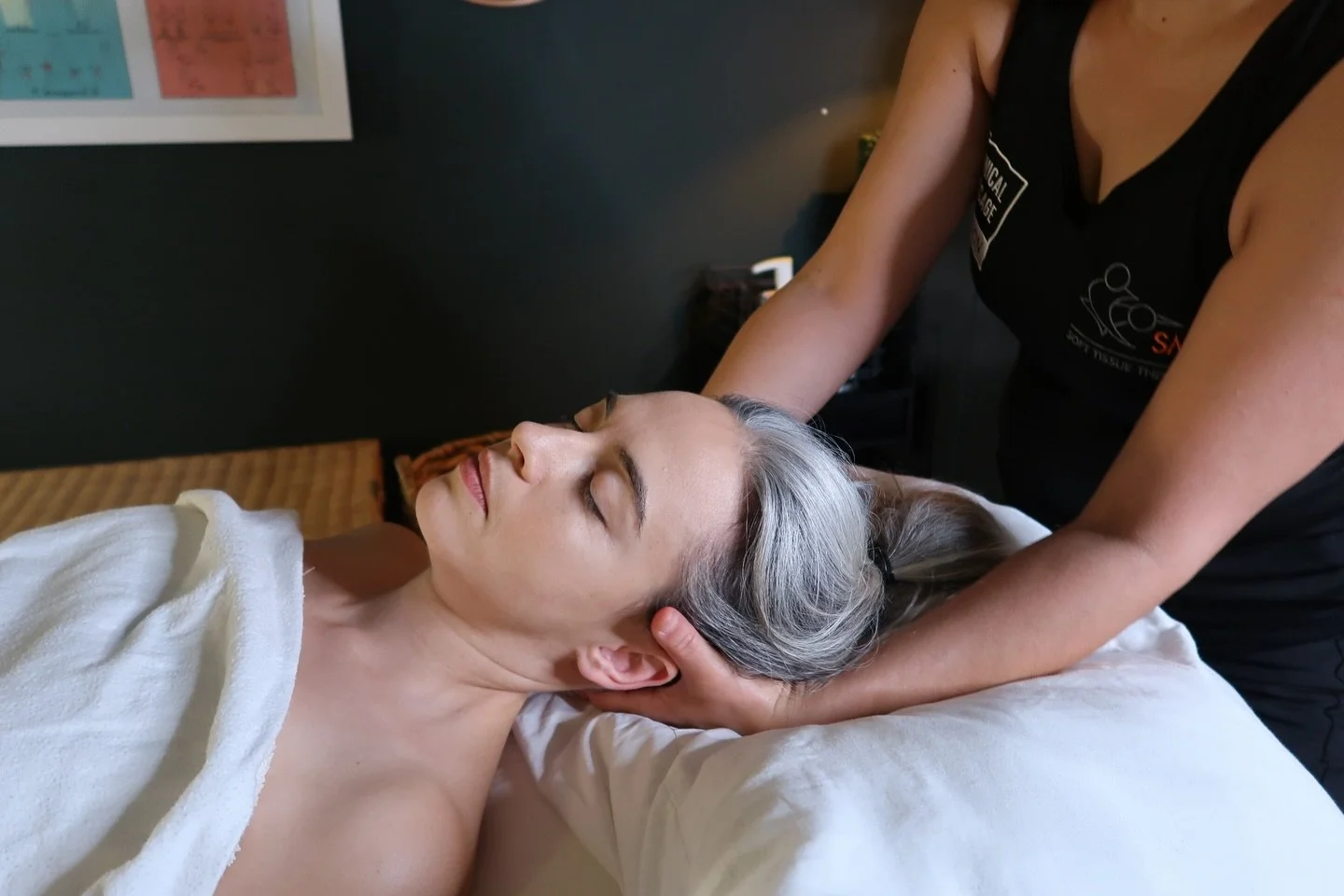
Clinical Massage London is a North London clinic offering clinical, sports and pregnancy massage for people experiencing persistent pain, tension or stress.
Our experienced therapists help with back & neck pain, shoulder or hip problems, posture-related stress, sports and training-related discomfort and pregnancy-related aches — using techniques such as myofascial release, deep tissue massage, trigger point therapy and tailored recovery plans.
Located in Stoke Newington (N16), we work with office workers, active individuals, pregnant clients and those managing ongoing musculoskeletal issues.
ABOUT US:
We regularly help with:
Back pain and lower back stiffness
Neck pain and shoulder tension
Hip pain and lower-limb discomfort
Postural strain related to desk work or repetitive activity
Sports and exercise-related muscle pain
Stress-related muscle tension and headaches
Pregnancy-related aches and muscular discomfort
Ongoing muscular tightness or movement restriction
Fully Qualified Clinical Sports Massage Therapists
Our team of massage therapists at Clinical Massage London are passionate about massage, and specialise in working with clients to understand and accomplish their treatment goals using an approach that is strategic, targeted and deeply relaxing.
Treatments Tailored to your needs
To achieve the best results our therapists use a combination of client assesment, techniques and massage styles - including deep tissue, trigger point work, shiatsu, myofascial release and advanced stretches - to you moving, feeling and living better.
A Biopsychosocial Approach To Chronic Pain Relief
We prides ourselves in delivering treatments that combine our clinical knowledge with empathetic human touch, taking into account the biopsychosocial aspects of chronic pain to treat you in a manner that is both evidence-based and holistic.
Clinical and Sports Massage Can Help with a Wide Range of Physical and Stress-Related Conditions
Clinical and sports massage may help reduce pain, tension and movement restrictions associated with a variety of musculoskeletal and stress-related conditions. At Clinical Massage London, treatments are tailored to your individual needs, combining techniques such as deep tissue massage, myofascial release and trigger point therapy to support mobility, comfort and recovery.
Massage is commonly used by people experiencing persistent aches, postural strain, sports and training-related discomfort, or stress-related muscle tension. Sessions are adapted based on your symptoms, activity levels and goals, whether you are managing ongoing pain, recovering from injury, or looking to support physical wellbeing alongside an active or sedentary lifestyle.
We commonly work with people experiencing:
Neck, shoulder and upper-limb pain
Neck pain and stiffness
Shoulder pain and movement restriction
Shoulder impingement-type symptoms
Frozen shoulder–related tightness
Headaches linked to neck or shoulder tension
Whiplash-associated muscular tension
Elbow, wrist and arm conditions
Tennis elbow
Golfer’s elbow
Carpal tunnel–related muscular tightness
Tendinitis and overuse injuries
Back, hip and lower-limb pain
Low back pain
Sciatica-type symptoms
Hip and knee pain
Piriformis-related buttock pain
Sports and overuse-related conditions
Muscle strains and sprains
Shin splints
Plantar fasciitis–related calf and foot tension
Clinical and sports massage may help reduce muscle tension, discomfort and movement restriction associated with a range of musculoskeletal conditions.
While massage does not diagnose or cure medical conditions, it is commonly used as part of a broader approach to managing pain, supporting recovery and improving physical comfort. Treatments are tailored according to your symptoms, activity levels and personal goals.
If you’re unsure whether clinical massage is suitable for your situation, we’re happy to discuss your symptoms and help guide you toward the most appropriate approach.
Meet the Massage Therapists
Delivering holistic, evidence-informed clinical massage for musculoskeletal pain and stress-related tension
-
Clinic owner Natalie Heng is a clinical and sports massage therapist with an interest in science and a passion for bodywork. She has a B.Sc. in biology and spent almost a decade in journalism writing about the environment, science and the arts before transitioning into manual therapy.
Natalie’s career shift into manual therapy began upon her return to the UK in 2018, following after a decade living and working in Malaysia when a natural curiosity and passion for working with people led her to pursue a three-year Diploma in Advanced Clinical and Sports Massage from the Jing Institute in Brighton.
-
In 2020, a decades-long curiosity about massage and bodywork prompted Emily to begin her journey into the field of bodywork.
Her initial training was in Swedish and holistic massage, before she went on to further her studies in Level 5 Advanced Clinical Massage with the Jing Institute in Brighton.
Emily incorporates the soothing, flowing style of Swedish and holistic massage into all of her treatments, combining this with more advanced techniques, such as direct and indirect myofascial release, trigger point therapy, deep tissue work, and more.
-
Diane has always been passionate about the body and how it works. She first started to explore that passion with a degree in Genetics, before getting into the mechanics of movement as a teacher in pole dancing.
After teaching for five years, Diane was seeking ways to work directly with people and further her knowledge, and in 2021 decided to take the Level 5 diploma in Sports Massage and Remedial Soft Tissue therapy with the North London School of Sports Massage, followed by a MSc Physiotherapy (Pre-Registration).
Diane aims to work collaboratively with the people she treats and to empower people to take charge of their health.

“Natalie’s truly a gem! I could feel the good energy the moment I entered her practice. In response to my needs, she suggested an action plan and explained each step. I felt extremely relaxed and well taken care of. The best massage I’ve ever had! Will definitely add it to my monthly self-care routine 😊”

“Probably the greatest massage of my life! Properly deep and satisfying, I ascended to some sort of transcendent state and felt space between my joints for the first time in a long time. And Emily is the absolute best.
”

“Diane was actually incredible - so attentive, thorough and so much knowledge about the body/issues I had in my neck and back. Super friendly, professional and I felt incredible comfortable. I feel like a new woman after my massage, thank you
Diane !”
Prices
30 MIN ________________ £62
45 MIN _________________ £72
60 MIN ________________ £82
75 MIN ________________ £90
90 MIN ________________ £107
120 MIN _______________ £130

Benefits of Clinical & Sports Massage
-
Relaxation, Better Sleep, Reduced Stress & Anxiety
Massage can be both therapeutic, and also deeply relaxing, allowing tension in your muscles to melt away whilst simultaneously calming the nervous system.

-
Better Mobility, Injury Prevention and Rehabilitation
Massage can reduce hypertonicity and increase pliability in the muscles, giving you the re-set you need to start moving and enjoy being active again.

-
Address Chronic Pain Issues
A lot of the common aches and pains we experience can be associated with myofascial trigger points, which can be effectively identified and treated by a competent clinical and sports massage therapist.

FAQ –
Clinical Massage London
-
Clinical Massage London offers professional, evidence‑informed massage and soft tissue therapy in N16, London. Our treatments are tailored to relieve pain, improve mobility, and support recovery from musculoskeletal conditions and tension patterns.
-
We work with a wide range of issues, including:
Neck and shoulder pain, shoulder impingement
Tendon conditions (e.g. tennis elbow, golfer’s elbow), tendinitis
Headaches, whiplash, carpal tunnel syndrome
Muscle strains, sprains; shin splints; sciatic-type symptoms
Low back pain, hip and knee pain
Foot/heel pain, plantar fasciitis, piriformis syndrome, frozen shoulder
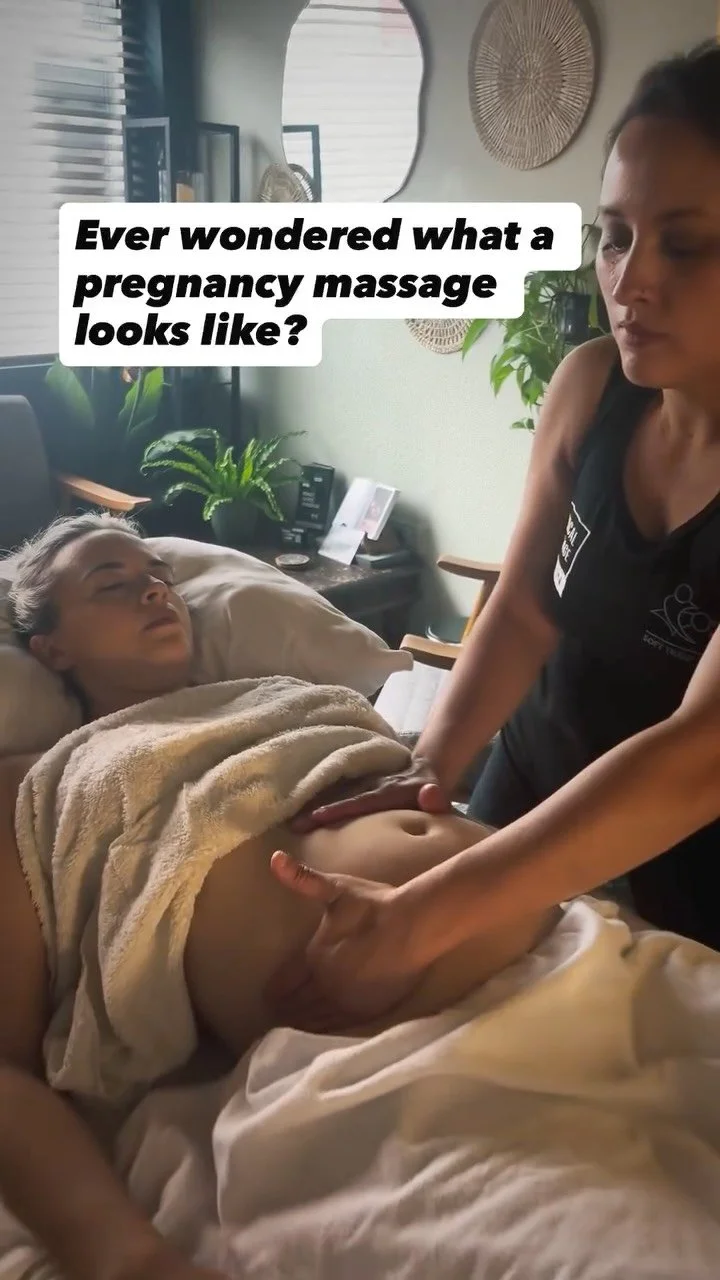
Pregnancy related muscular aches and pains
-
Our therapists use a combination of techniques, including:
Deep tissue massage — to address muscle tension, adhesions, and chronic tightness
Myofascial / soft-tissue work & release techniques — aimed at improving soft-tissue mobility, encouraging better gliding and lubrication between layers of muscle and connective tissue, and encouraging deep relaxation through slow sensory feedback
Trigger point therapy — to relieve localized pain spots and tight bands in muscle
Swedish / relaxation massage techniques — for general wellbeing, stress relief
Sports massage / therapeutic massage — use of techniques PNF (proprioceptive neuromuscular feedback), AET (active engagement technique) and MET (muscle energy technique) for pre‑hab, recovery, post‑injury support, and maintenance
-
There is some evidence suggesting that manual therapy techniques affecting the fascia and soft tissues may help reduce pain, improve range of motion (ROM), decrease muscle tightness, improve soft‑tissue gliding between layers, and support neuromuscular regulation. It should be noted evidence also suggests that results may vary between individuals and studies, with benefits often dependant on the skill of the therapist, the technique used, and follow‑up (e.g. movement, stretching, self‑care). This is why we work with experienced therapists who have demonstrated a track record of empathetic, effective communication combined with a good knowledge base and sense of intuitive touch. Our aim is to approach treatments from a holistic point of view, acknowledging that pain is multifactorial and in working with pain, we need to consider not just knowledge and technique and clinical reasoning skills, but also communication before, during and and post treatment to build trust, create confidence and encouragement in the continuation of self care outside of the treatment room too.
-
We offer sessions from 30 minutes up to 2 hours, depending on your needs and treatment goals — from brief targeted work to comprehensive full‑body or intensive therapy sessions. Note that there is a baseline cost which makes shorter appointments cost more per minute (as we take into account laundry, appointment gaps for writing up notes, room changeovers which must be done regardless of treatment length), so the longer the appointment is, the more value for money.
-
Yes — for many clients. Before your appointment, your therapist reviews the information you provide in your online health history and intake form, which you complete when booking. This helps us understand any pre-existing health conditions, injuries, or treatment goals before you arrive.
-
Your session begins with a short consultation, where we clarify your symptoms, goals, and any relevant medical or injury history. This information is used to collaboratively determine a treatment approach that is safe, appropriate, and aligned with your needs.
-
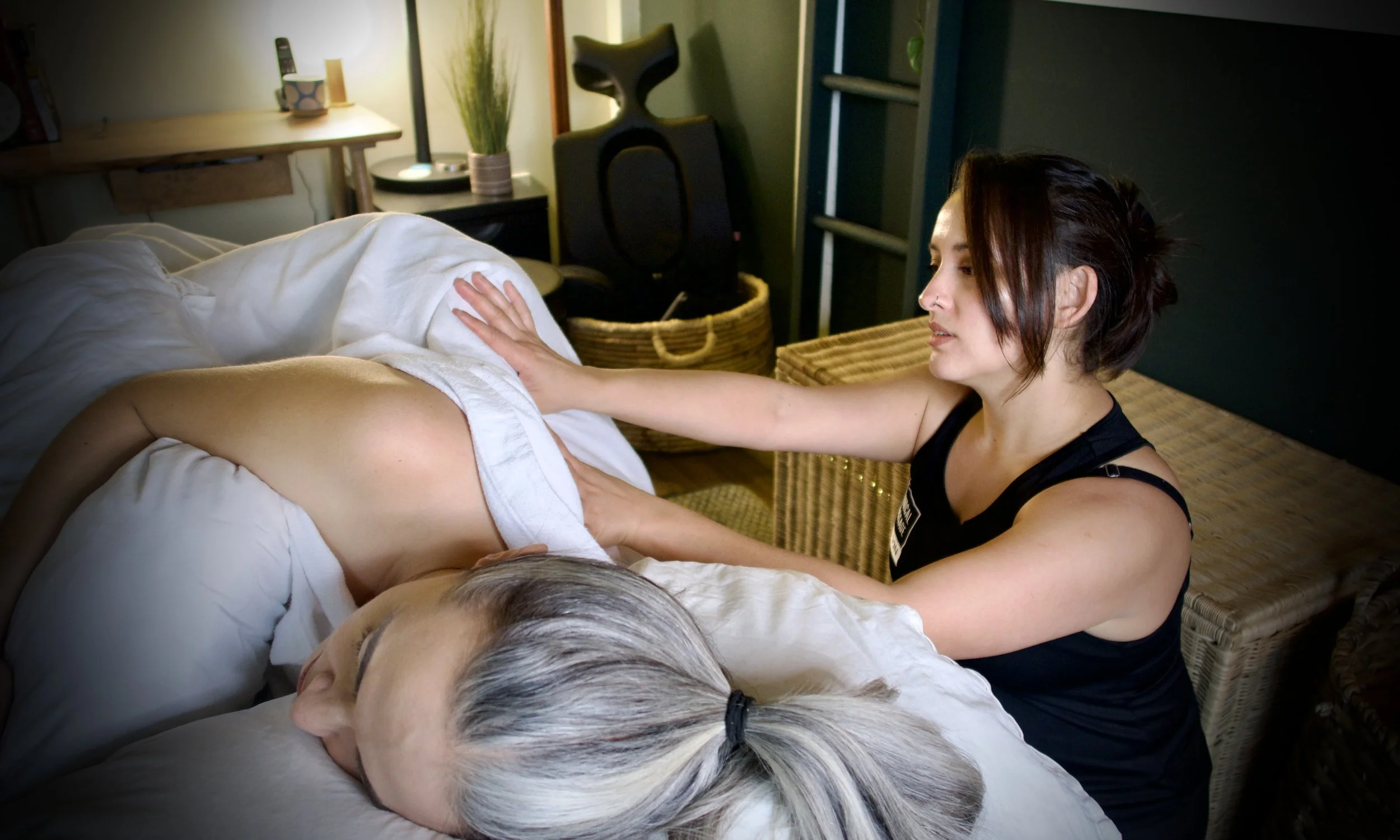
Yes. We adapt positioning and techniques to suit each individual. We use:
An adjustable electric treatment table
A wide range of hip, neck, and leg bolsters
Thick and medium pillows to support optimal neck alignment in side-lying and supine positions
Pregnancy Bolster so pregnant women have the choice of lying either on their side or face down for work on the back, hips and legs.
This allows us to accommodate postural variations such as increased lordosis or kyphosis, as well as pregnancy massages - and to offer a more comfortable and supportive setup than standard massage tables.
-
If, during your consultation, we identify any red flags or contraindications to massage at that time, we may recommend altering the treatment goals - for example from addressing a specific pain condition to more relaxation focus with goals of indirect support through calming the nervous system and promoting better sleep. If your condition seems especially serious we may recommed postponing treatment or referring you to a medical or allied health professional if we feel they are better placed to help. We would like to draw attention to our cancellation policy, whilst exceptions can be made in exceptional circumstances, we encourage you to email us in advance if you have any questions or concerns about whether massage is the right choice for you at any given point in time - we are very responsive and always happy to help. A good guidance is - if your pain is excruciating and small movements are painful, we either encourage you to take bed rest or see a primary healthcare professional. If your pain is chronic, dull, achy, annoying, but you are able to move around and function despite some mild to moderate discomfort, massage could be helpful.
-
Pain can be multifactorial and complex, and responses to massage vary. Massage may be helpful in general ways (such as reducing muscle tension to relieve contributing factors to RSI or nerve compression injuries, helping with general health function through promotion of relaxation, calming the nervous system down and promoting better sleep, reducing discomfort so you feel better able and more ready to engage in healthy activities such as rehab or just general movement and exercise) and, in some cases, in more specific ways (trigger point based based, limited mobility due muscle tension or muscle guarding) depending on the nature of your symptoms.
-
Yes. A key part of our approach is education and expectation-setting. We aim to be clear and realistic about:
What massage may help with
Where its limitations are
When other approaches (such as movement therapy, home care, or strength-based exercise) may be important
Massage may sometimes directly address a problem, and in other cases act as a supportive or complementary therapyalongside other forms of care.
-
Yes. Where appropriate, massage can be used as an adjunct to other therapies, such as physiotherapy or exercise-based rehabilitation. Massage may help reduce pain and discomfort associated with muscle tension, trigger points, fatigue, and overload, making movement and rehab exercises more tolerable, while recognising that other forms of care may be more appropriate for addressing underlying causes.
Visit Our North London Clinic Space in Stoke Newington
Clinical Massage London
Shop rear of, 81 Stoke Newington road
LONDON N16 8AD
(Entrance on Prince George Road, behind the clothing store FFF and opposite the restaurant Che Men)
Join the Mailing List for last minute appointments & exclusive discounts available to subscribers only
See what our massage therapists are up to on Instagram!