
How Massage Therapy Can Help You Sleep Better
Massage for Relaxation, Stress Reduction & Improved Sleep Quality
Have you ever noticed how, after a good massage, your muscles feel lighter and your head feels clearer … and then you fall into a deeper, more restful sleep?
That’s not just anecdotal: there’s growing evidence that massage therapy can help improve sleep quality by easing physical tensions, calming the nervous system, and reducing stress. Here’s how
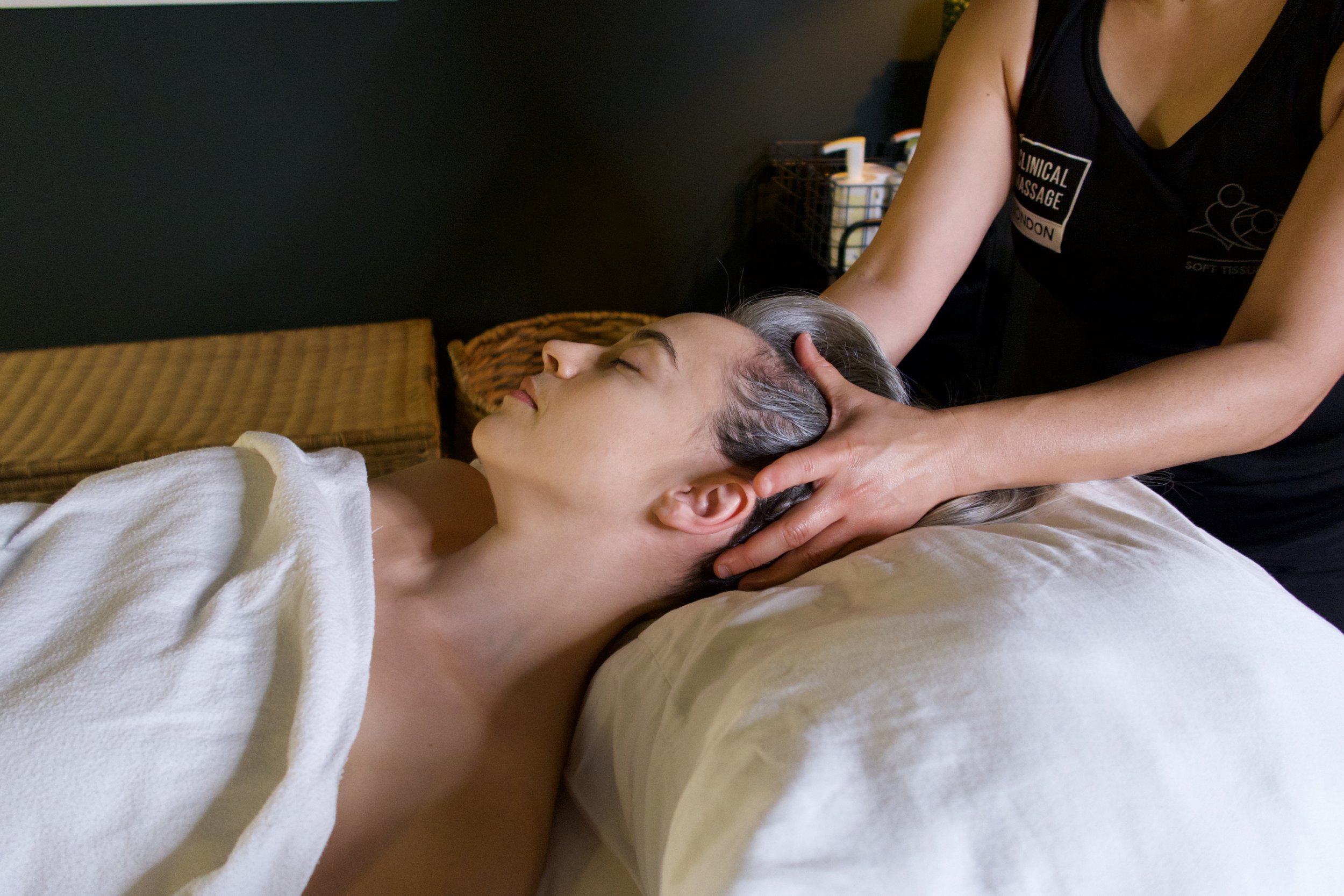
A recent randomized controlled trial found that a single 30‑minute session of either relaxation or sports massage reduced muscle tone, increased subjective relaxation, and improved daytime napping and indicators of sleep arousal in poor sleepers.
The Vicious Cycle: Stress, Tension, Poor Sleep - and Back Again
In our everyday lives, many of us juggle poor posture, long hours at desks, repetitive movements, stress, and general physical overload.
Over time, this can lead to muscular hypertonicity (tight or over‑active muscles), trigger points, aches, and general soft tissue tension.
That tension — especially when it’s persistent — makes it harder to relax, harder to get comfortable in bed, and harder to drift into deep, restorative sleep. Poor sleep then feeds back into higher muscle tension, increased stress sensitivity, and worse recovery, creating a negative cycle that magnifies discomfort and fatigue.
In other words: stress and life strain → muscle tension and soft tissue stress → poor sleep → more stress and sensitivity → greater discomfort.
Breaking that cycle often requires targeting more than just the symptoms - both the physical tension and the nervous-system state need attention. That’s where massage can help.
What Massage Does: Relaxation, Nervous System Reset, and Sleep-Friendly Effects
Massage doesn’t just have to be “a nice treat”. When done with skill, it can produce changes in the body and brain that make relaxation and sleep more likely. Here are a few of the mechanisms happening behind the scenes
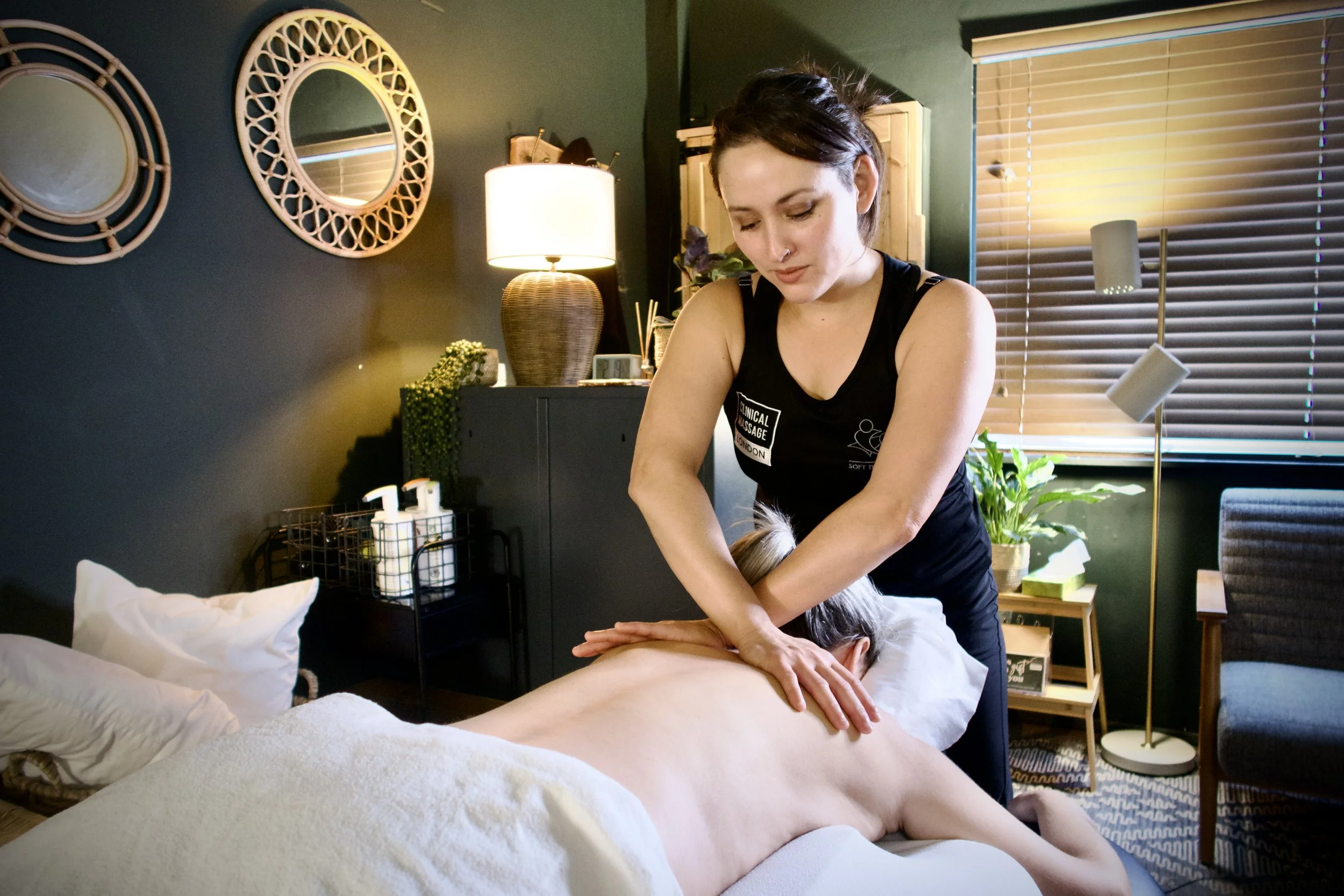
Massage often shifts the body out of “fight or flight” mode — reducing sympathetic arousal (stress and tension), and enhancing parasympathetic activity (rest, repair, recovery). That shift supports better relaxation, easier sleep onset, and potentially deeper sleep.
Muscle tension reduction & soft-tissue relaxation:
Massage helps decrease tension and overactive muscle tone, easing discomfort that might otherwise disrupt sleep or make it hard to get comfortable.
Nervous system calming (parasympathetic activation): Massage often shifts the body out of “fight or flight” mode — reducing sympathetic arousal (stress and tension), and enhancing parasympathetic activity (rest, repair, recovery). That shift supports better relaxation, easier sleep onset, and potentially deeper sleep.
Stress and anxiety reduction: By lowering levels of stress markers (like cortisol), and helping the body physically unwind, massage can improve mood, decrease restless thoughts, and facilitate a calmer, more sleep‑ready frame of mind.
Improved comfort and physical ease: Relief from aches, soreness, and muscular stiffness can eliminate physical barriers to comfortable sleep postures — making it easier to stay asleep, avoid tossing and turning, and wake up more rested.
Together, these effects can make it easier for your body to switch into “rest and recovery” mode, which is exactly what you need for good quality, restorative sleep.
What the Research Says: Evidence for Massage & Sleep Improvement
While research is still growing — and like all therapies, results vary between individuals — several studies suggest massage can significantly improve sleep quality, especially when combined with relaxation and stress reduction. Here are a few relevant findings:
A recent randomised controlled trial found that a single 30‑minute session of either relaxation or sports massage reduced muscle tone, increased subjective relaxation, and improved daytime napping and indicators of sleep arousal in poor sleepers.
For people recovering from orthopaedic surgery, a study showed that even short sessions of massage (slow‑stroke back massage or hot-stone massage) led to significantly better sleep quality compared with routine care.
Among family caregivers of cancer patients — a group often under high stress — daily 15‑minute back massage for a week significantly reduced anxiety and cortisol levels, and improved sleep quality.
Broader reviews and meta-analyses (for certain populations) report statistically significant improvements in self‑reported sleep quality after massage therapy.
These studies suggest that whether someone is under physical stress (muscle tension), emotional stress, or sleep disruption, massage may offer a non-pharmacological, low-risk, well‑tolerated option to help improve sleep — especially when integrated as part of a wellness or recovery plan.

For people with ongoing physical demands — office workers, shift workers, manual labourers, parents — regular massage can act as a preventive or maintenance strategy: helping to manage stress, reduce over‑use strain, and support restorative sleep before tension becomes chronic.
What This Means for You - How to Get the Most Out of Massage for Sleep
If you’re considering massage to support better sleep, here are a few practical suggestions (and realistic expectations):
Treat massage as part of a broader sleep-support plan. It can help ease physical and nervous-system stress, but combine it with good sleep habits (consistent sleep schedule, calming pre-bed routine, screen-free wind-down, etc.).
Consider regular or periodic sessions. If you generally find it difficult to carve time out for self care, have a busy schedule and experience frequent stress at work or at home, reserving that time for you to experience deep relaxation ahead of time can be a great way to ensure you get the chance to reset and unwind when you most need it.
Choose a therapist who makes you feel heard and understood. Feeling that your therapist listens, elicits feedback, and tailors the treatment to your needs and comfort is a key part of achieving real benefits. Trusting your therapist and knowing they are responsive to how you feel allows you to fully relax, making it easier to experience the relaxation and sleep-related benefits that massage can provide.
Be realistic - effects vary. Some people notice immediate improvements, others only subtle changes over time. Use massage as a helpful support tool - not a guaranteed “sleep cure.”
Final Thoughts
Massage therapy isn’t just a luxury or an indulgence — it can be a useful, evidence-informed tool to support better sleep, reduce stress and anxiety, and help manage soft tissue tension and discomfort. By helping your body relax and recover, massage may improve your ability to fall asleep, stay asleep, and wake up feeling rested.
At the same time, it remains part of a bigger picture. Good sleep is rarely about a single intervention — and massage works best when combined with other healthy habits. Still, if you’ve been carrying tension, stress or soreness, booking a session might just help you rest a little easier tonight.