Meet Steve Berry - Level 5 Sports Massage Therapist at Clinical Massage London
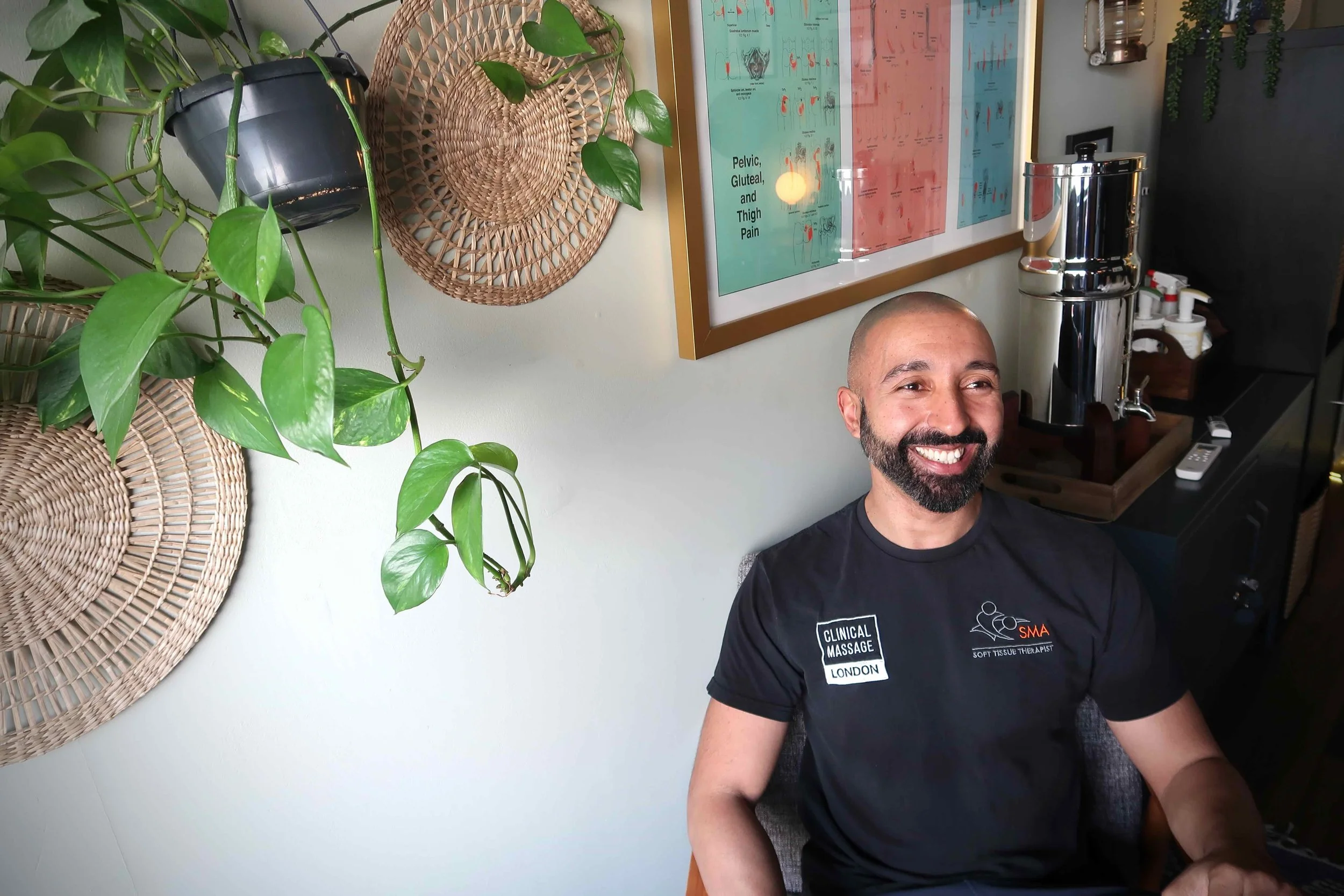
Steve Berry is a Level 5 Sports Massage Therapist based at Clinical Massage London in Stoke Newington, N16. He shares how a sports massage session changed his approach to self care and launched a new direction in his career.
Q&A: Sports Massage Therapist Steve Berry on Injury Recovery, Desk Pain & What Makes His Approach Different
This month, we're excited to introduce Steve Berry, the newest member of our team here at Clinical Massage London in Stoke Newington, N16!! Steve brings over 13 years of experience as a Sports Massage Therapist and Personal Trainer to our clinic. In this Q&A, he talks about what drew him to bodywork, how he draws on his background in strength training to help his clients reduce injury risk, improve posture, and boost long-term physical health.
From Personal Trainer to Level 5 Sports Massage Therapist: Steve Berry's Story
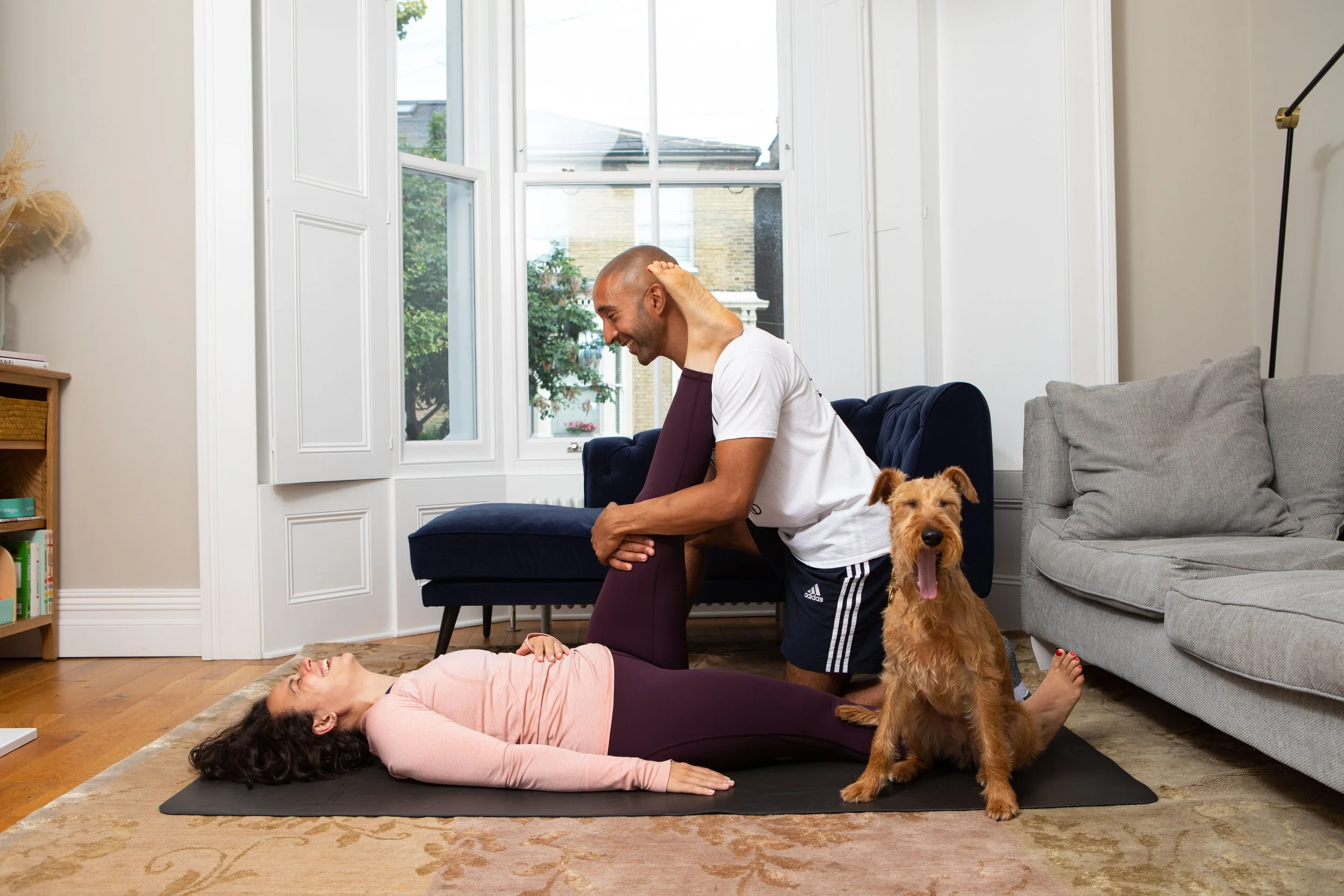
Steve also does personal training in addition to sports massage, including fitness for pre and post natal women and injury recovery.
You came to massage therapy via personal training - can you tell us that story? What was it like experiencing injuries yourself and with clients, and how did that shift your direction?
Prior to becoming a sports massage therapist, I worked as a personal trainer at Fitness First. During that time, I got into weightlifting and was often training twice a day. Even though I was in my early 20s, my body couldn’t keep up with the intensity, and I started picking up frequent injuries.
There was a sports therapist working at the gym, so I began having regular treatments with her. The difference it made to my recovery was huge, and my injury frequency reduced significantly. I was fascinated by the results, which inspired me to train as a sports therapist to complement my personal training.
You now brings this wonderful blend of clinical knowledge, hands on experience, personal training and sports massage to clients across Stoke Newington, Dalston, and the wider Hackney area. Did that combination develop naturally, or was there a point where you deliberately decided to build a multi-disciplinary practice?
I believe it’s important to create a balance between strength, mobility and recovery. Personal training focuses on building strength and conditioning, sports massage supports recovery and healing, and yoga improves mobility and flexibility. Combining these approaches helps build strength while maintaining movement quality, which can reduce injury risk, improve posture, and boost long-term physical health.
What does it mean to have a BTEC Level 5 in Sports Massage - how does that level of training shape the way you approach a treatment compared to a more basic qualification?
A BTEC Level 5 is an advanced sports massage qualification. Rather than simply being skilled at massage, this level of training allows me to assess musculoskeletal issues, identify underlying causes, and apply more specific treatment techniques compared to general massage. Combined with my personal training and sports clinic experience, it also allows me to provide clients with targeted home exercises to help address imbalances and support long-term recovery.
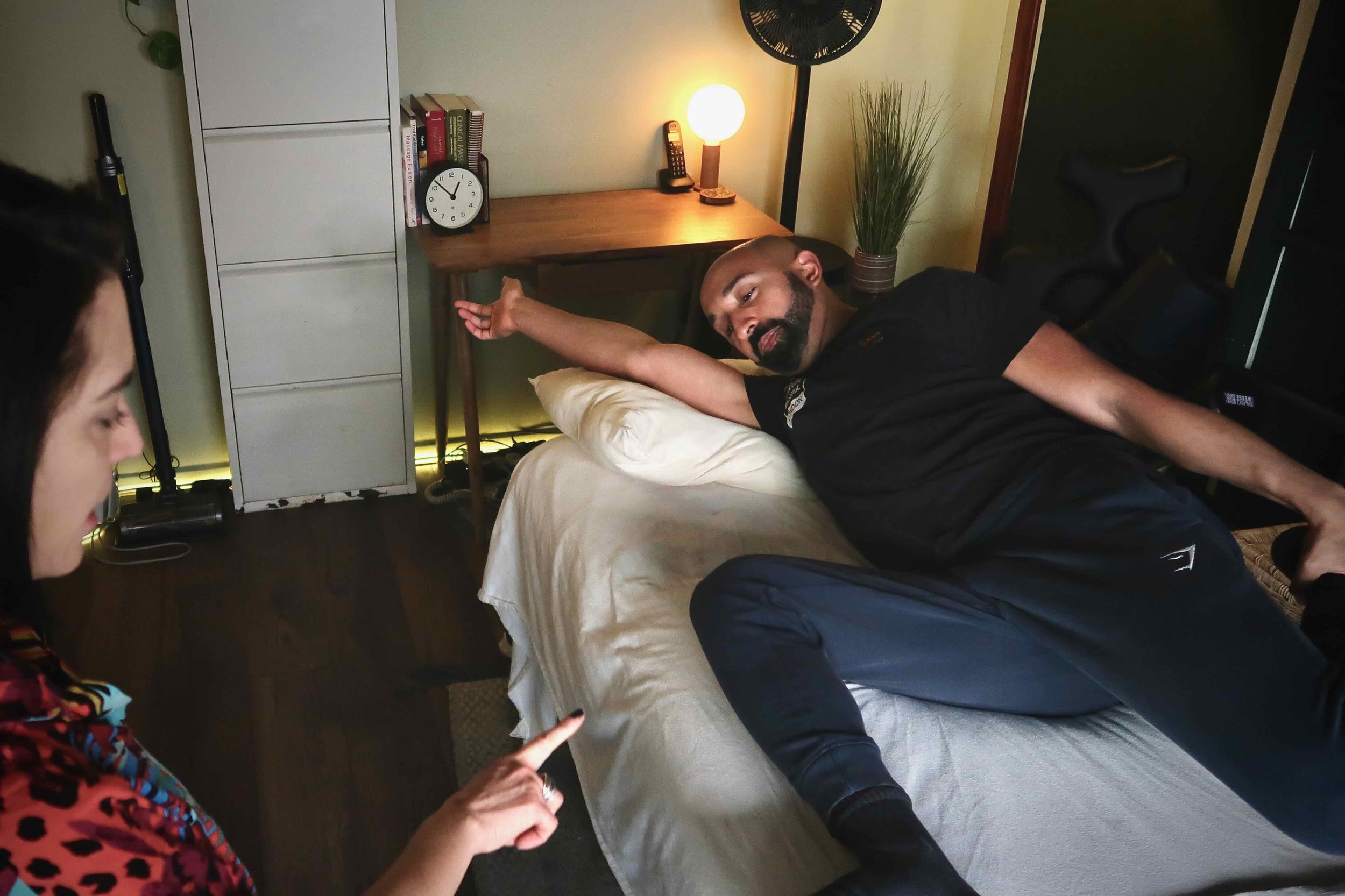
Level 5 Massage Therapist Steve Berry demonstrating a hip flexor stretch to his client
Assessment-led Treatment With Integrated Aftercare Strategies
Your background is in movement and exercise - how much does that inform how you assess someone on the table? Do you find yourself thinking like a PT even during a massage?
As a personal trainer, I’m always thinking of ways to improve the person I am working with. As soon as I notice a weakness or muscle imbalance, I start considering exercises that I could recommend that are specific to that client. Prescribing exercise isn’t as simple as giving the same exercise to everyone. We are all different and unique, so I carefully select a few exercises that will benefit that individual.
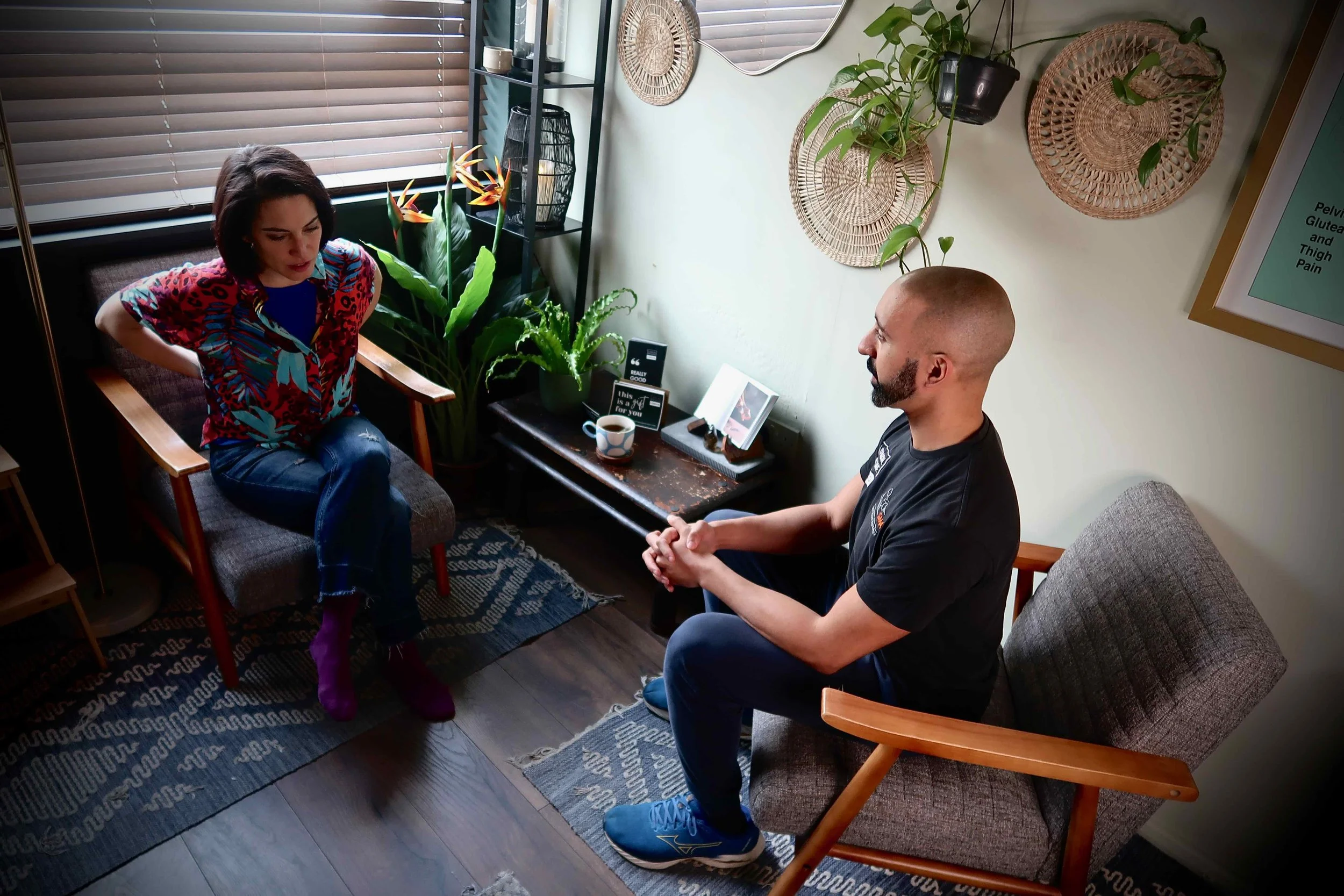
Pre-treatment client consultations should be about building the foundations for a good therapeutic alliance. Here is Level 5 Sports Massage Therapist Steve Berry helping a client figure out some treatment goals for their session today.
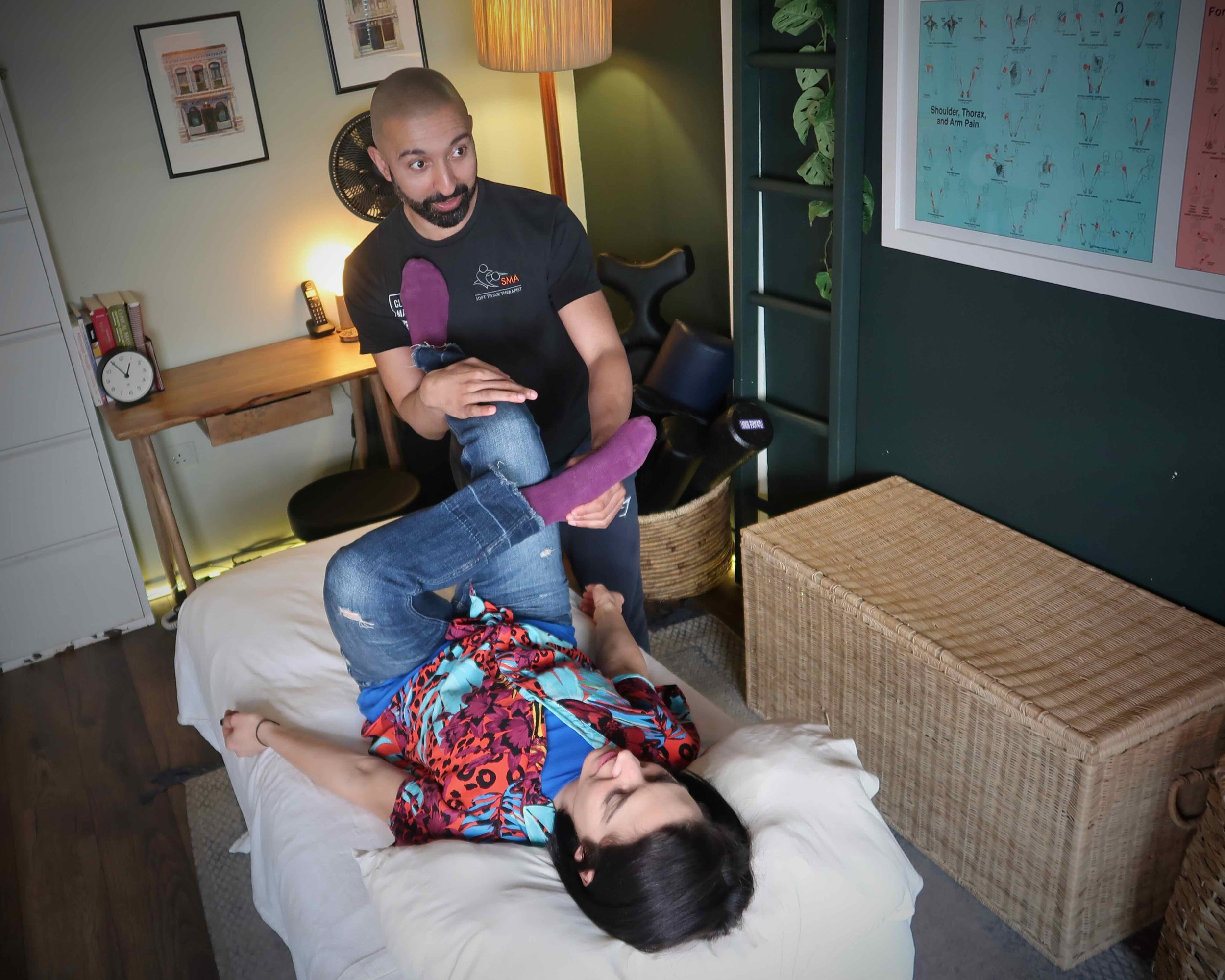
Sports Massage Therapist and Personal Trainer Steve Berry showing his client how to perform a piriformis stretch at our massage therapy clinic in Dalston, London.
You're known for pairing massage with exercises and stretches as a home plan. Can you walk us through how that works - how do you decide what to send someone away with?
When a client comes in for a massage, I usually start with a physical assessment and a hands-on evaluation, known as palpation. This helps me understand their body structure and assess muscle tension, imbalances, and any dysfunction. Based on that information, I choose massage techniques that will help restore balance. I’ll also often recommend a few targeted exercises or stretches for the client to do at home.
For example, if someone has a weak glute medius, which is a common issue for people who sit for long periods, I might suggest a few simple glute medius strengthening exercises. If a client is already working with a physio, I can also review their exercise plan and recommend additional exercises or stretches that complement what they’re already doing.
You've worked in clinics, gyms, people's homes, and offices across London. How does the setting change how you work - is the massage you give in someone's living room different from the one you give in a clinic?
From experience, people tend to relax more either in their own home or in a clinic that has a calm atmosphere and a nice vibe. When someone is at home, they’re in a familiar space, which can make it easier for them to switch off and fully relax into the treatment. In a good clinic environment, the setting is designed for that same purpose, so people often arrive already in the right mindset.
In office environments, people don’t switch off as much, which is understandable because they’re still in work mode.
Regardless of the setting, the core of the massage is the same, but I do adapt slightly depending on the environment and what will benefit the client most in that moment.
Sports Massage for Desk Workers and Postural Pain in Stoke Newington
Posture-related pain - especially from desk work - comes up a lot in your practice. What's your take on why it's so prevalent, and what do you typically see going on in the body?
I have years of experience working with corporate clients in Hackney and across North East London, and often see desk-related pain caused by prolonged sitting, poor posture, and poor workstation ergonomics. Posture-related pain is common because our bodies aren’t designed to sit still for hours. Tight neck and shoulder muscles, weak core and glutes, and forward-leaning positions all place extra strain on the joints. Neck pain, shoulder pain, and lower back pain are among the most common complaints we see as a result. Small interventions can make a big difference. Regular sports massage, a good ergonomic workstation setup, regular movement breaks, and targeted stretches or strengthening exercises can significantly reduce discomfort and improve posture.
Sports massage has a reputation for being painful. How do you handle that expectation, and when is discomfort actually useful versus when is it a red flag?
I handle the expectation of pain by explaining that some level of discomfort is normal when releasing tight or overworked muscles. This type of discomfort can actually be useful, as it helps release tension. However, sharp pain, radiating sensations, or numbness are red flags, and I adjust pressure immediately in those cases. Clear communication is essential, so I check in with clients throughout the session and use a pain scale from 1 to 10 to ensure the pressure remains effective but never overwhelming.
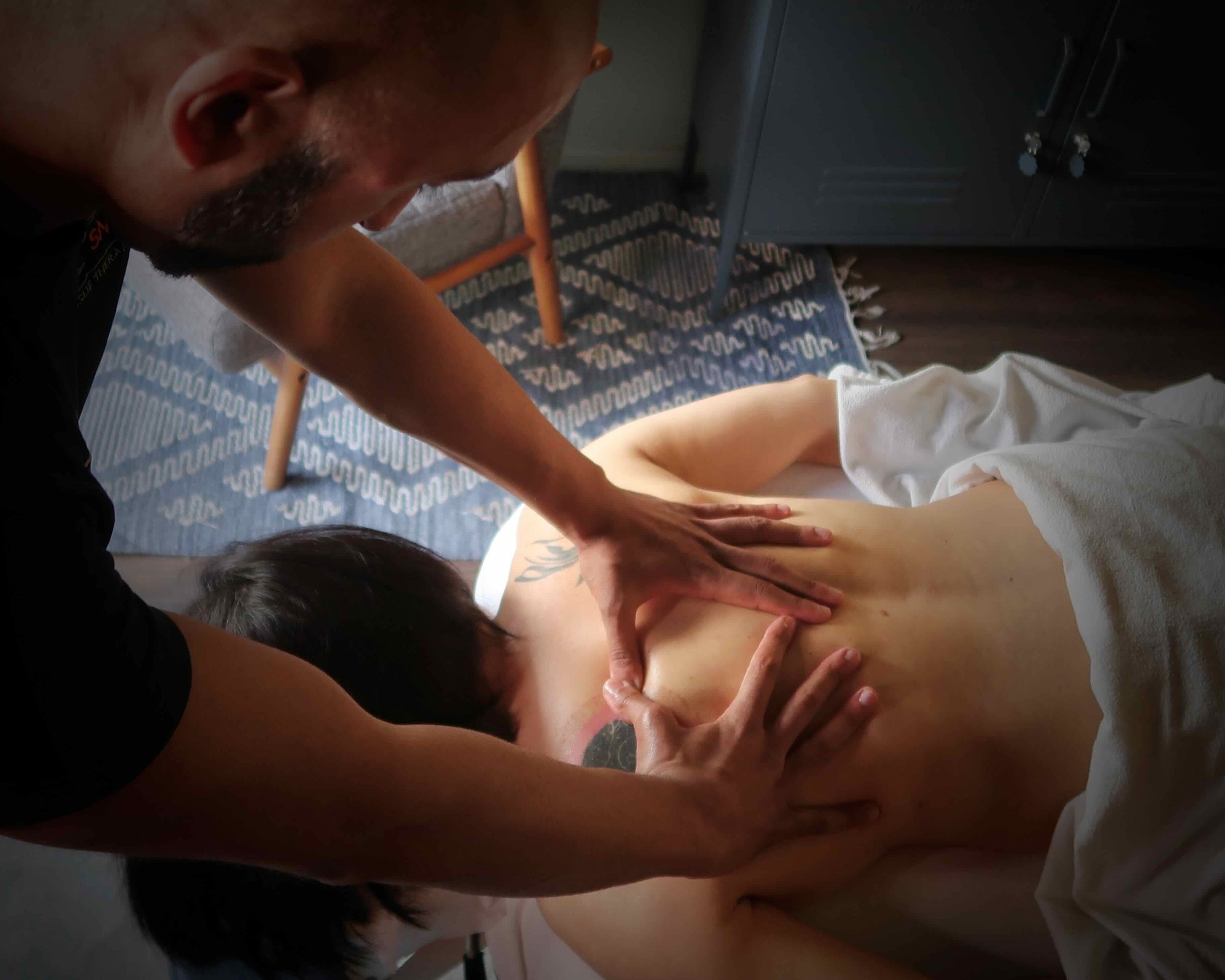
Steve Berry, Dalston-based Level 5 Sports Massage Therapist engages in trigger point therapy to ease discomfort around the upper back region for a client.
Sports Massage for Stress and Emotional Tension

Massage Therapy can help release muscle tension, reduce emotional stress and encourage the nervous system to shift into a calmer state, says Level 5 Sports Massage Therapist Steve Berry.
You've said that sports massage isn't just for people who are active - it's also for people living stressful or emotional lives. Can you unpack that a bit? What's the connection between emotional stress and muscular tension in your experience?
A lot of people think sports massage is only for active individuals, but emotional stress can present in physical ways and remedial and soft tissue massage can be just as effective for people dealing with stress-related tension. Stress can cause muscles in the shoulders, back, chest, neck, and jaw to tighten. I often see this when working with corporate clients who have demanding high-pressure jobs. Regular massage helps release that muscle tension, helps reduce emotional stress, and encourages the nervous system to shift into a calmer state.
You describe the journey as just as important as the destination. What does that mean to you in practice - both for your clients and for yourself as a therapist?
A journey is usually a slow and gradual process. People sometimes expect to reach the destination quickly, but patience and consistency are key. I often explain to my clients that there is only so much I can do in a single massage session. To achieve lasting results, I recommend regular sessions and following a home exercise plan. That ongoing process is the journey, and the improvement in their health and wellbeing is the destination.
After working across PT, massage, and yoga, do you see those three things as fundamentally connected - or do they serve different purposes for different people?
Although the three disciplines are different, they all complement each other. Personal training sessions usually focus on strength and conditioning. Massage focuses on releasing tension, restoring balance, and supporting recovery. Yoga focuses on mobility, flexibility, and mental clarity. I would recommend incorporating all three into a routine to help create balance in both the mind and body.
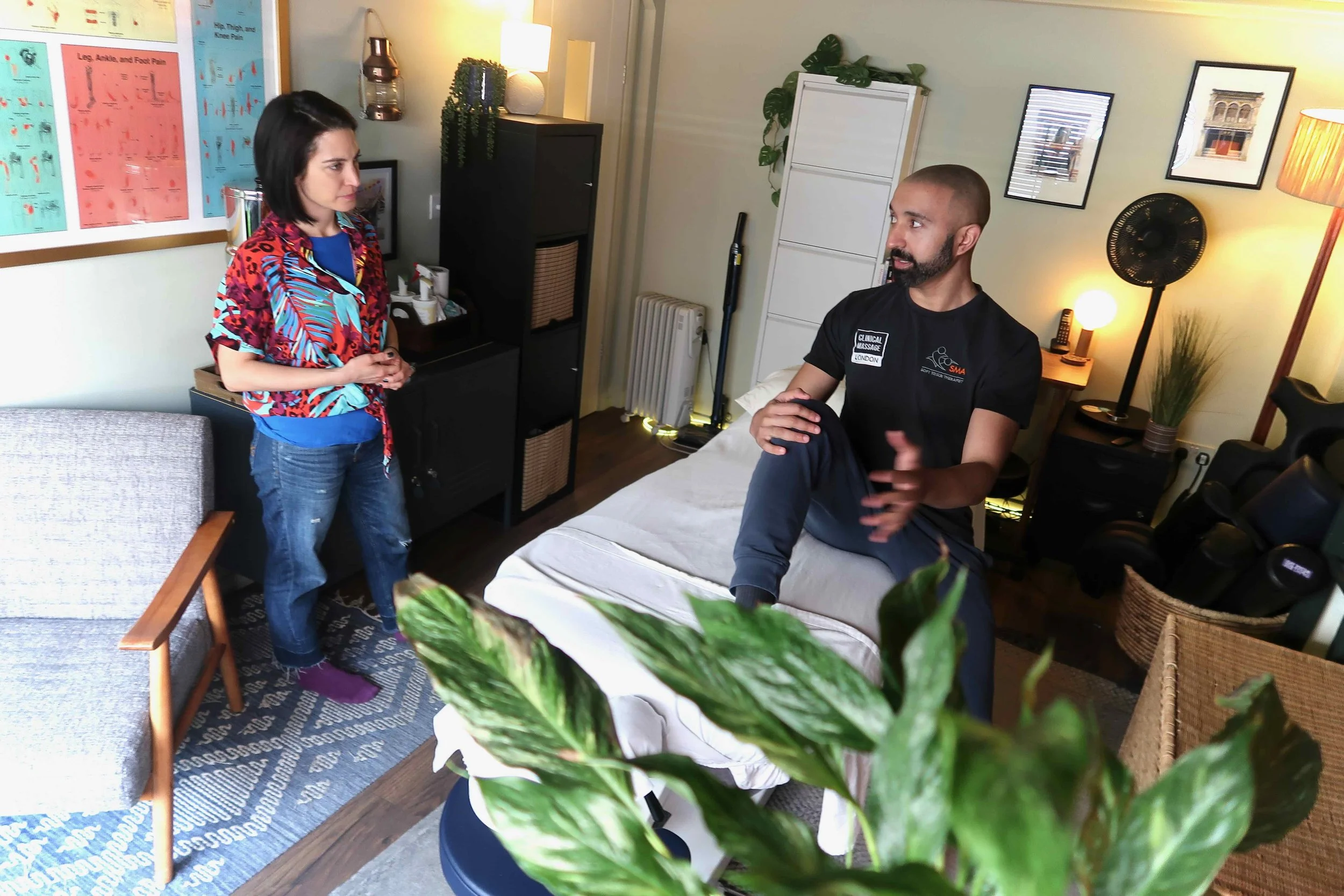
Level 5 Sports Massage Therapist Steve Berry offering some aftercare advice for a client post treatment at our clinic in Dalston, London N16.
What Keeps Steve Going: Long-Term Recovery and Client Results
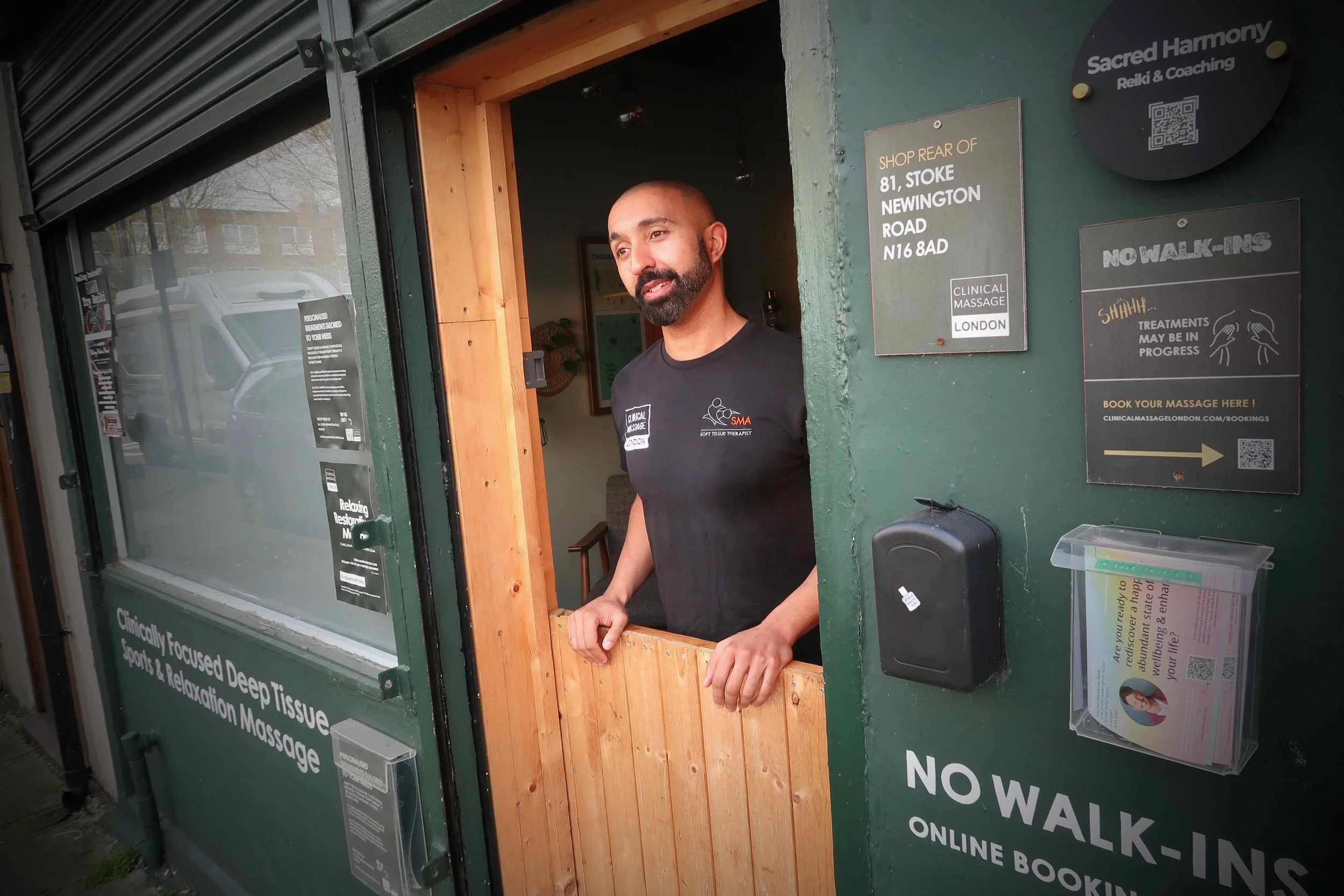
Steve Berry welcoming a client at our London Clinic in Dalston.
Outside of your practice, how do you personally stay on top of your own physical and mental wellbeing? Does your routine look very different from what you'd recommend to clients?
As the saying goes, I try to practise what I preach! My routine usually includes two strength training sessions at the gym, one yoga class (typically Vinyasa flow), and one cardio-based session (such as running or cycling) per week. I also aim to get a massage at least twice a month. For my mental wellbeing, I do weekly therapy and occasionally go to sound healing or meditation classes. My routine is quite similar to what I recommend to clients.
Is there a client result or moment in your career that has stayed with you - something that reminded you why you do this work?
This is a difficult question because there have been so many! One client had a serious ski accident and came close to losing his arm, which completely changed his quality of life. When I first met him, he could hardly move his arm due to multiple surgeries and significant muscle wastage.
I worked alongside his physiotherapist and provided regular massage and personal training sessions. Although it took well over a year, his mobility and strength improved significantly. He seemed so much happier compared to when we first met.
Being part of that journey and seeing such a big and meaningful improvement in his quality of life is exactly why I love the work I do.
What's something about sports massage that you wish more people in East London understood or felt less intimidated by?
Three things come to mind.
First, a lot of people worry that sports massage will be painful. In reality, it doesn’t have to be. I always communicate with my clients throughout the session to make sure the pressure is comfortable and never overwhelming. That communication is a really important part of the treatment.
Second, there’s a common belief that the more painful the massage is, the more effective it must be. That’s actually not true. A treatment can be very effective without being excessively painful.
Lastly, sports massage isn’t just for athletes. It’s for anyone dealing with muscle tension, stiffness, or everyday aches, which, realistically, is most people.

Steve Berry combines mindful touch and clinical reasoning to deliver target driven treatments at our clinical and sports massage therapy clinic in North London.
Rapid Fire Questions - Best stretches, Snacks and working Alongside Physios and PTs

Level 5 Sports Massage Therapist Steve Berry is offering clinical and sports massage treatments at our North London clinic, come and meet him!
Favourite post-session snack or recovery ritual?
Either a banana with a handful of nuts or a rice cake with peanut butter and cottage cheese.
Best stretch for someone who sits at a desk all day - go!
A supine twist with the arms in a cactus position. This stretch primarily targets the lower back, glutes and chest. These areas commonly become short and tight when sitting at a desk all day.
One thing clients are usually surprised to find out about you?
Clients are often surprised to learn that my support goes well beyond massage therapy. I also prescribe exercises and provide guidance to help those recovering from injuries or managing pain. Previous experience working with physiotherapists has improved my knowledge and skills in this area.
PT or massage - if you could only do one for the rest of your life, which would it be?
This is a very difficult question! With personal training, it’s incredibly rewarding to help people achieve important goals in their lives. That could be preparing for a big moment like their wedding day, or helping reduce the risk of musculoskeletal issues during pregnancy.
With massage therapy, helping someone relieve chronic pain, such as sciatica, and improving their overall quality of life is just as meaningful.
Both roles allow you to make a real difference in people’s lives in different ways, so honestly, I can’t decide!
Personal motto or something you come back to when things get tough?
Small steps lead to big changes.
Life gets busy, but that’s no excuse to neglect yourself. Prioritise your wellbeing. Exercise regularly, even if it means doing shorter workouts, cook healthy meals (Joe Wicks Lean in 15 is perfect for busy individuals), connect with friends and family, and take care of your mental health, even if it’s just in short consistent bursts.
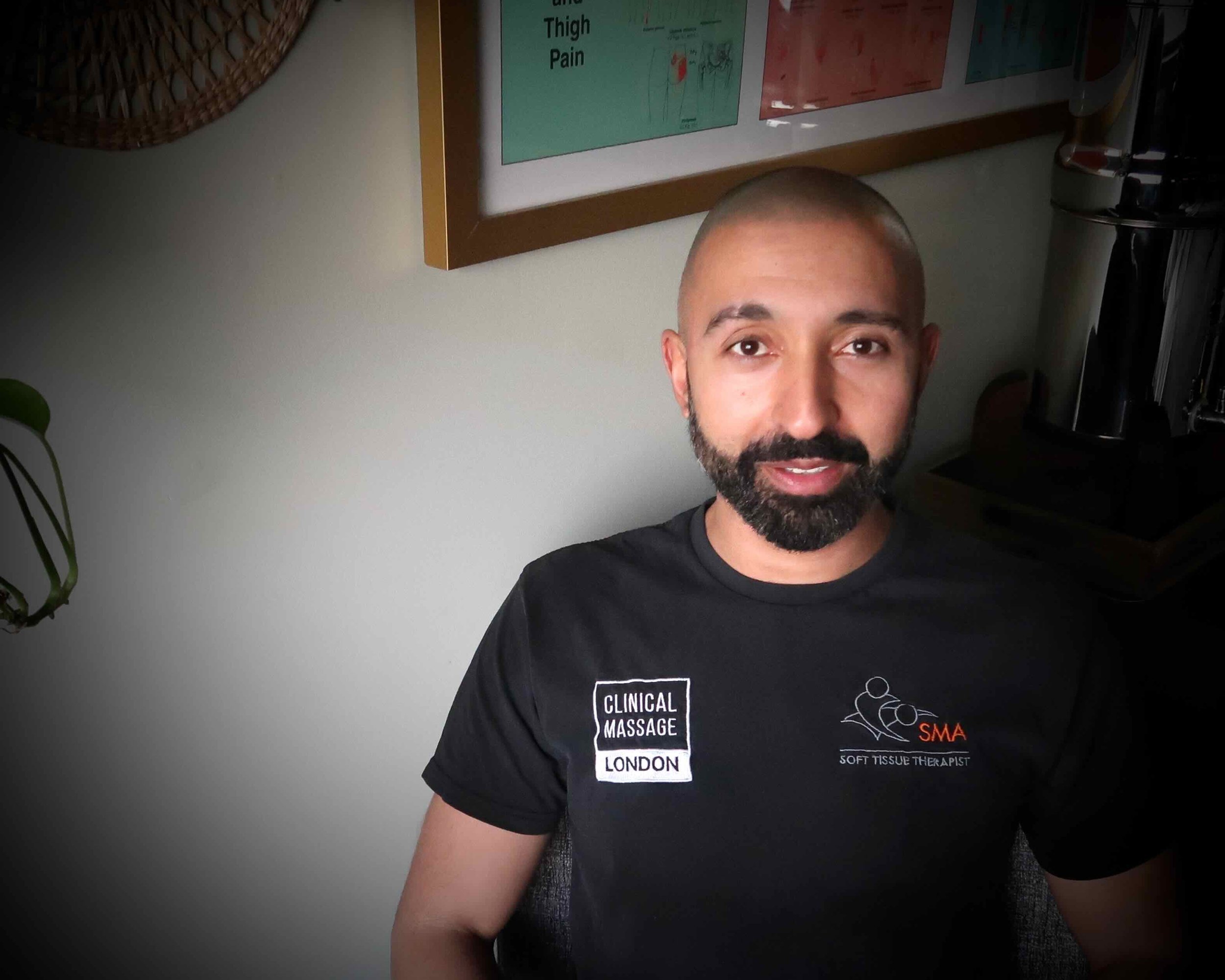
Meet Steve Berry, our newest therapist at Clinical Massage London in Dalston.
Steve Berry sees clients on MONDAY MORNINGS at Clinical Massage London's Stoke Newington clinic, with additional adhoc availability throughout the week.
He works with clients from across Hackney, Dalston, Islington, and North East London.